


A new Tinder match, strong feelings, and even promises of a future together. For a businesswoman from the Munich area, an apparent love story began in late 2024. Just a few months later, nearly €180,000 was gone.
The story has now reached its provisional conclusion before the Munich Local Court. A 44-year-old man was convicted of 90 counts of fraud and sentenced to two years and nine months in prison. He was also ordered to repay the resulting loss of €178,900.
The case provides a striking example of how so-called love scamming works. This is not an ordinary scam involving a fake invoice or a fictitious online shop. The real weapon is trust.
They met on Tinder, and everything moved quickly
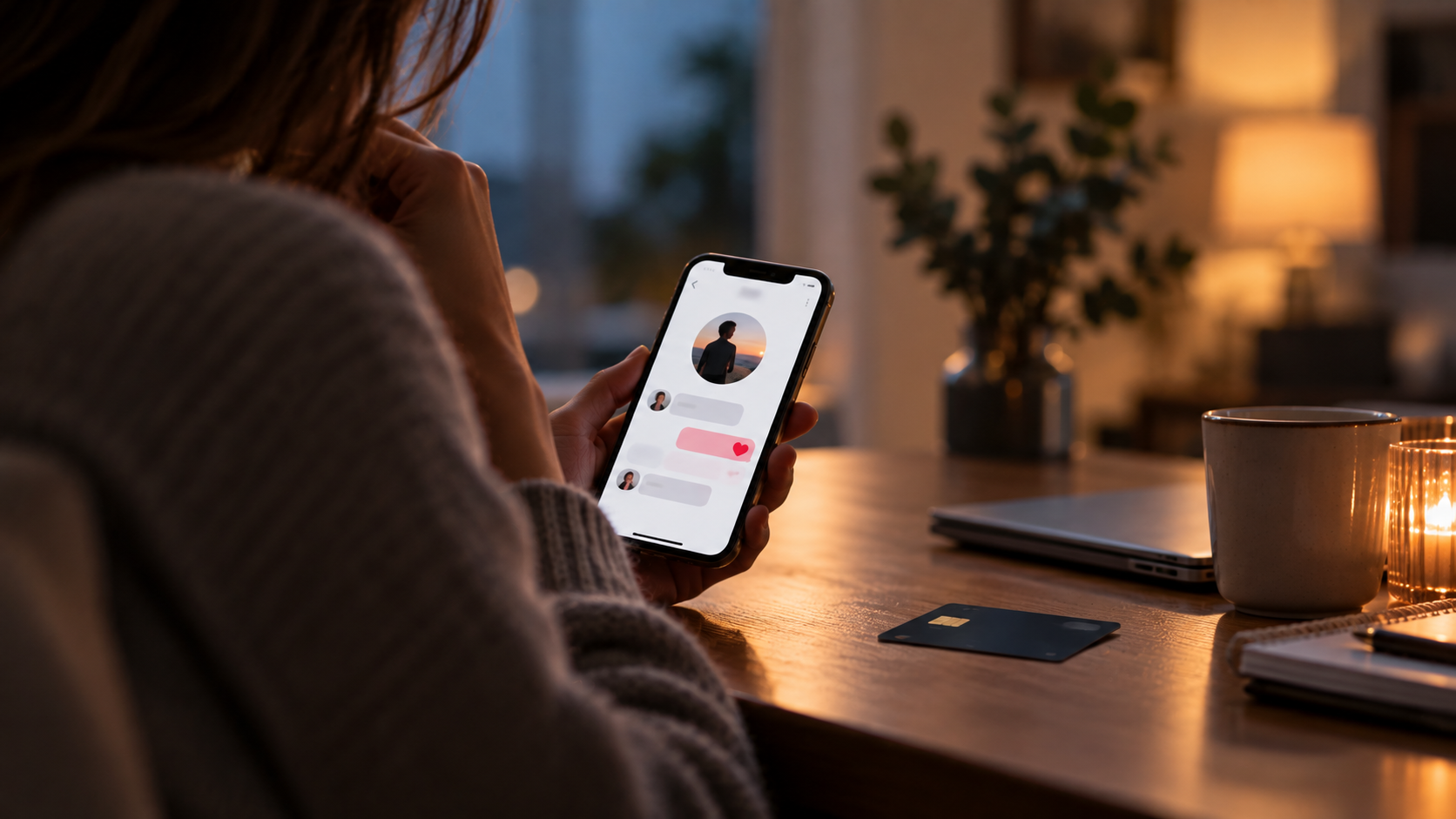
The woman met the defendant on Tinder in late 2024. The man used a false name. According to the prosecution, the two developed a romantic relationship that existed entirely online.
The 44-year-old even suggested that they would get married. In the prosecution’s view, however, the supposed future they would share was merely a means to an end from the outset. The emotional connection was intended to persuade the woman to transfer money to him.
And it worked remarkably quickly.
Just two days after they met, the first €100 was transferred. The man allegedly needed the money for fuel. This was followed by a series of further requests and explanations. At times, he claimed to need money for a hotel, customs duties, or his dog.
What began as individual transfers developed into a substantial sum within just a few months.
90 transfers in less than six months
Between November 2024 and April 2025, the businesswoman transferred money 90 times. The individual amounts ranged from €5 to €3,500.
By the end, the payments totalled €178,900.
This development illustrates why love scamming can be so dangerous. A scammer does not necessarily need to persuade the victim to make one enormous payment based on a single dramatic story. Numerous smaller requests can gradually increase over time.
Once someone has become emotionally invested in a relationship, they may view the next request for money very differently from an outside observer. A €100 payment for fuel can lead to further transfers, eventually reaching amounts that threaten the victim’s financial livelihood.
The woman described these consequences clearly in court: “It was a very emotional time for me,” she said. “The loss was substantial. I was afraid of losing my business.”
When the judge asked how she was doing now, she gave a brief answer: “Not well.”
Guilty plea following an agreed sentencing framework
During the trial, the court, the prosecution, and the defence agreed on a procedure under which the defendant’s guilty plea would be taken into account and a sentencing range would be established in advance. A prison sentence of between two years and six months and two years and eleven months was therefore considered possible.
The defence admitted the allegations on behalf of the defendant. Gambling addiction and significant debts were cited as contributing factors. Some of the money had also been spent on his “general living expenses.”
The defendant was also known to the justice system. According to information presented in the proceedings, he had already been convicted more than a dozen times over the previous 20 years, including for theft, assault, and, in particular, fraud.
He had been held in pre-trial custody since April 2025.
“I will pay everything back”
The defendant and the victim eventually came face to face in the courtroom. At first, the defendant apparently avoided eye contact. He later addressed the woman directly.
“I want to apologise to you,” he said. He also stated: “I never intended for things to go this far.”
He announced that he wanted to accept responsibility: “I will pay everything back.”
The Munich Local Court ultimately sentenced the 44-year-old to two years and nine months in prison for 90 counts of fraud. He was also ordered to repay the €178,900.
The judge summed up the central issue in a single sentence: “You exploited the trust of a woman who trusted you.”
That trust is the key mechanism in love scamming. First, the scammer creates emotional closeness. Then, requests for money follow. Warning signs may include constant new financial emergencies, contradictory information, or a persistent refusal to meet in person. Particular caution is warranted when an online acquaintance expresses strong feelings after only a short time while also asking for money.
Anyone who becomes suspicious should stop making further payments and preserve all messages and proof of payment. The consequences can extend far beyond the financial loss. In court, the businesswoman said that she now approaches other people with considerably more distrust.
Recht 24/7’s critical perspective
In cases of love scamming, people quickly ask how a victim could transfer so much money to someone known only through the internet. But this question misses the heart of the problem.
Someone who feigns emotions for months, makes plans for a shared future, and deliberately converts trust into money turns emotional closeness into a business model. That is precisely what makes love scamming so insidious.
The Munich case should therefore be less of an invitation to judge the victim for being supposedly gullible. The more important question is how easily trust can be built in the digital world, and then exploited. The amount of €178,900 can be quantified. The impact such fraud has on a person’s ability to trust others cannot.
Have you lost money to a dating scam? Have your legal claims reviewed by a lawyer and obtain advice during an initial consultation.
Consult a lawyerFixed fee: €169 gross