Image: defotoberg / shutterstock.com
A familiar face can generate a lot of attention during an election campaign. That’s exactly why political parties and companies repeatedly try to leverage the name recognition of celebrities to promote their messages. But what happens if the celebrity wasn’t even asked?
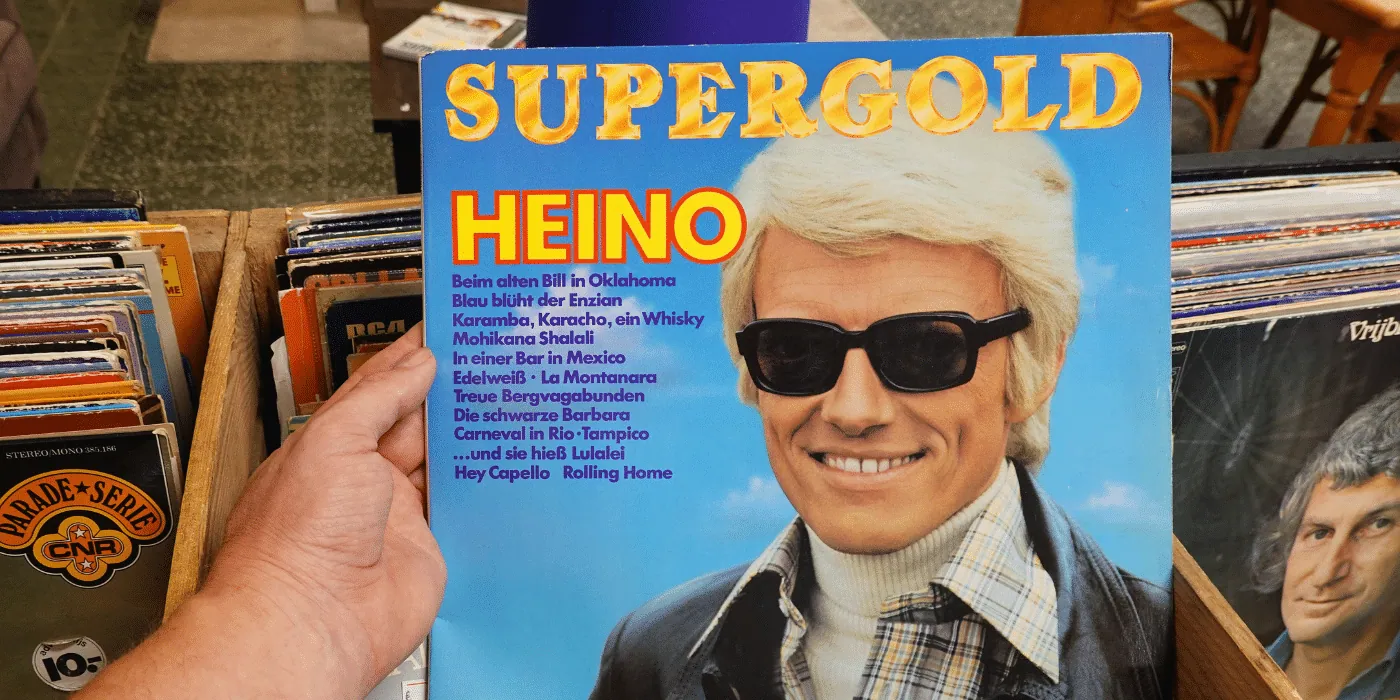
This is precisely the issue currently before the courts. Pop singer Heino is seeking at least 30,000 euros in damages following an election campaign by an AfD district chapter. The dispute was triggered by a social media post claiming that Heino would vote for a specific candidate. The singer firmly denies this and views it as an impermissible exploitation of his persona. According to his management, the lawsuit is also intended to send a clear message against the unauthorized use of prominent names in election campaigns.
A famous name is no free pass
Many people think, “It was just a comment on the internet.” In fact, using a well-known name or image can have far-reaching consequences.
Celebrities don't just make a living from their music, movies, or sports. Their name is often an important part of their public identity. If someone gives the impression that an artist supports a political party, a company, or a specific product, it can affect that person's reputation.
Besonders sensibel wird es, wenn es um politische Aussagen geht. Die Unterstützung einer Partei ist eine persönliche Entscheidung. Wird jemand ohne Zustimmung als Unterstützer dargestellt, kann das erhebliche Auswirkungen auf seinen Ruf haben.
Why Social Media Is Not a Legal Vacuum
These days, many conflicts arise within seconds on Facebook, Instagram, or other platforms. A post is published quickly and reaches thousands of people in a short amount of time.
But rules apply on the Internet, too. Anyone who publishes claims about other people or gives the impression that someone supports a particular political stance should be certain that the statement is true.
In the current case, the post in question is said to have been removed in the meantime. In addition, a cease-and-desist declaration has already been issued, in which the district association commits to no longer using such advertising in the future. However, this does not automatically end the dispute. A claim for monetary compensation is now also being contested.
What does this mean for businesses and organizations?
This issue doesn't just affect political parties. Companies, organizations, and influencers should also exercise caution when they want to use well-known figures in their advertising.
A statement like “This well-known person would buy our product” or “This celebrity recommends us” can quickly become problematic if we don’t have their consent.
This issue is becoming increasingly important, especially in the age of artificial intelligence and deceptively realistic image editing. Today, photos, voices, and names can easily be placed in new contexts. This makes it all the more important to handle such content responsibly.
What can those affected do?
If you discover that your name or photo is being used for advertising or political statements without your consent, you should first save the post. Screenshots, links, and the publication date may be helpful later.
It is then advisable to request that the operator or author remove the content and refrain from using it again in the future. In some cases, disputes can be resolved out of court. However, if significant damage has already been caused or if the use continues despite the request, it may be advisable to seek legal counsel.
This recent case clearly demonstrates that the courts take such disputes seriously and that public recognition does not give anyone carte blanche to use someone else’s image for advertising purposes.
Attention is no substitute for approval
Political advertising thrives on emotions. But that is precisely why clear boundaries must be set. Anyone who uses the name of a well-known person to make their own message seem more credible is gambling with that person’s reputation—and that should never be done without their consent.
Some decision-makers apparently figure that a viral post is worth more than the potential backlash that might follow. Their motto seems to be: Post first, apologize later. That’s not a good trend.
Whether it’s a political party, a company, or an influencer—reach is no free pass. Anyone who wants to capitalize on someone else’s fame should ask for permission first, rather than hoping afterward that no one will mind. After all, you don’t earn trust with borrowed faces, but with your own arguments.
Don't let yourself be turned into an unwitting political ambassador! Contact us today for legal assistance.
to the lawyerAt a fixed price of 169 EURO (gross)