Image: Andrew Angelov / shutterstock.com
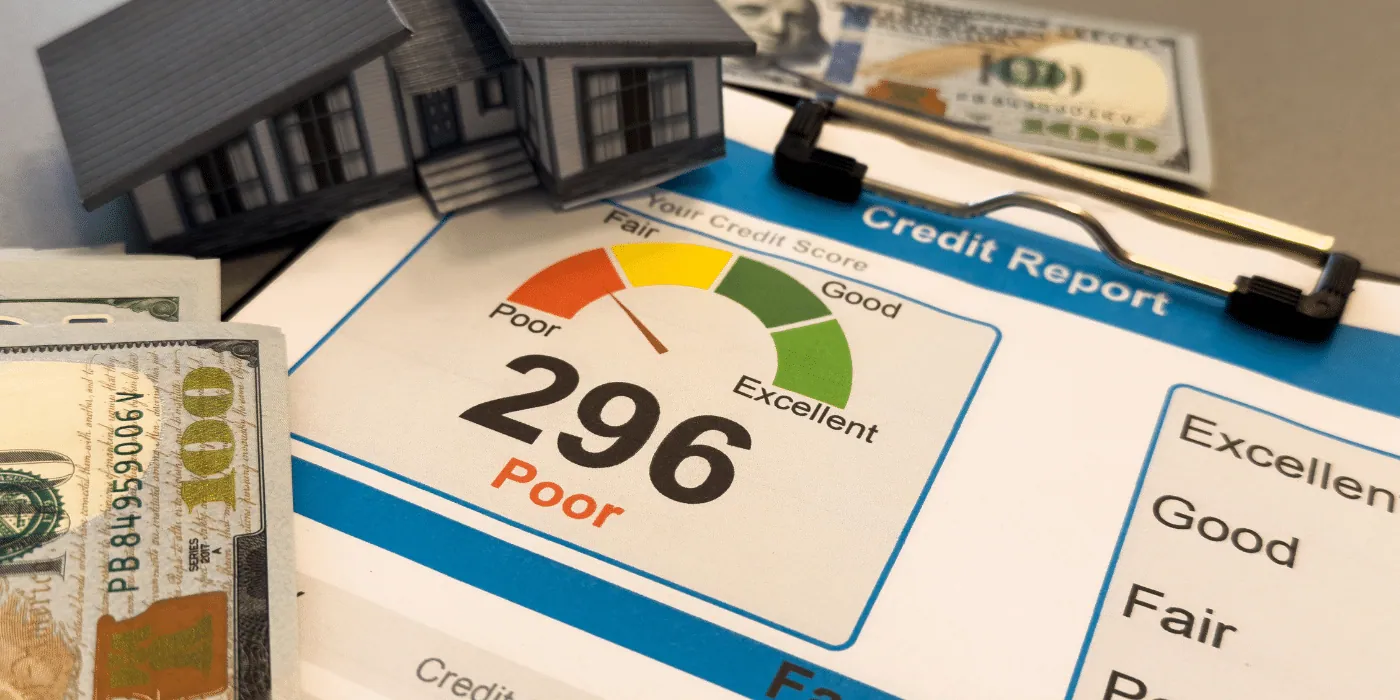
Many people know Schufa primarily as a number: the so-called score. It plays a role in determining whether a loan is approved, whether someone can rent an apartment, or whether a new cell phone contract can be signed without any problems.
But now another issue is causing a stir: It’s not just current information that can play a role—older data can also continue to be stored and taken into account in evaluations. For many consumers, this realization comes as a surprise.
The key question, therefore, is: How much information about a person’s past can a company store if that data could influence that person’s future?
Old Records, Long-Lasting Impact: Why Stored Data Becomes a Problem
Schufa collects information about the financial transactions of millions of people. This includes, for example, data on loans, contracts, and payment history.
Until now, public discussion has often focused on how the Schufa score is calculated. But now another aspect is taking center stage: the length of time the data is stored.
Many consumers assumed that completed transactions would eventually no longer matter. But this is precisely where the criticism arises. If old information continues to be stored, past financial difficulties may have an impact for longer than those affected expect.
The problem isn't just the storage itself. The key question is whether people fully understand what information is available about them and how long it will be used.
After all, an old bill or a past problem doesn't automatically say anything about one's current financial situation.
When the Past Determines the Future
Anyone can make a financial mistake. A late payment, a difficult period in life, or a short-term financial setback can lead to negative entries in someone’s payment history.
But people change. Incomes can rise, debts can be paid off, and financial situations can improve significantly.
That is exactly why storing old data is such a sensitive issue.
An evaluation is supposed to provide a current assessment. However, if information from the past continues to have an impact, the question arises as to whether this evaluation still paints a realistic picture of the present.
For consumers, this isn't just about numbers. It's about very specific life decisions: Can I find an apartment? Will I be able to get a loan? Can I sign a contract?
Transparency is the key point of contention
The criticism is directed less at the idea of a credit bureau itself. Companies need information to assess risks and make business decisions.
The controversy arises when consumers don't know exactly what data is being stored, how long it is retained, and what impact it has.
Especially when it comes to sensitive financial data, many people are no longer satisfied with information being buried somewhere in privacy policies. They want clear answers.
What data is available about me?
Why does this data affect my score?
When will it be deleted?
These questions are becoming increasingly important in a digital society.
The battle for data sovereignty is becoming a part of everyday life
The Schufa case is representative of a broader trend: data is becoming increasingly powerful.
Algorithms evaluate people in seconds. They help companies make decisions and can make processes more efficient. At the same time, however, a new risk is emerging: People are increasingly being judged based on stored information over which they have little control.
That is precisely why companies that work with this kind of data must be especially careful. Trust isn't built simply by collecting data. Trust is built when people understand what happens to their data.
The debate over old stored information shows that data protection is no longer just an abstract issue for experts. It affects everyone who is looking for an apartment, signing a contract, or making financial decisions.
A poor credit score shouldn't be a digital life sentence
The current debate over Schufa highlights a fundamental problem of our time: We’re storing more and more—but we’re forgetting less and less.
However, a person should not be permanently defined by past mistakes. Anyone who faced financial difficulties years ago but manages their finances responsibly today should have a real chance at a fresh start.
Of course, companies need reliable information. A world without credit checks would be unrealistic. But there’s a big difference between sensible risk assessment and a digital memory with no expiration date.
The crucial question, therefore, is not: Is Schufa allowed to store data? The more interesting question is: How long can a company keep a record of a person’s past before it becomes a digital shackle?
After all, a just society needs to remember the past—but it also needs the opportunity to start anew.
Do you have questions about SCHUFA and your credit score? Book a consultation now and protect your financial interests!
to the lawyerAt a fixed price of 169 EURO (gross)