Image: New Africa / shutterstock.com
An employer in Spain wanted to be sure: Was an employee’s sick leave really justified—or was there more to it? The company sought the answer not only through interviews and medical examinations, but also through an unusual method: The woman was placed under surveillance by a private investigator.
The outcome was clear: A Spanish court ruled that the monitoring was excessive and awarded the employee 5,000 euros in compensation.
The case from Spain is now drawing attention beyond the country's borders. That's because it touches on an issue that is becoming increasingly important in the modern workplace: How far can companies go when they have doubts about a sick leave report?
The court’s message is clear: Even during an illness, a person’s privacy remains protected. An employer may not simply use every means of surveillance available just because there are doubts.
When the Employer Becomes a Private Investigator
The case began with a situation familiar to many companies: An employee was on sick leave. For employers, extended absences can be a challenge—both organizationally and financially.
That is precisely why doubts sometimes arise. Some companies wonder whether an employee is actually ill or whether they might be taking advantage of their inability to work.
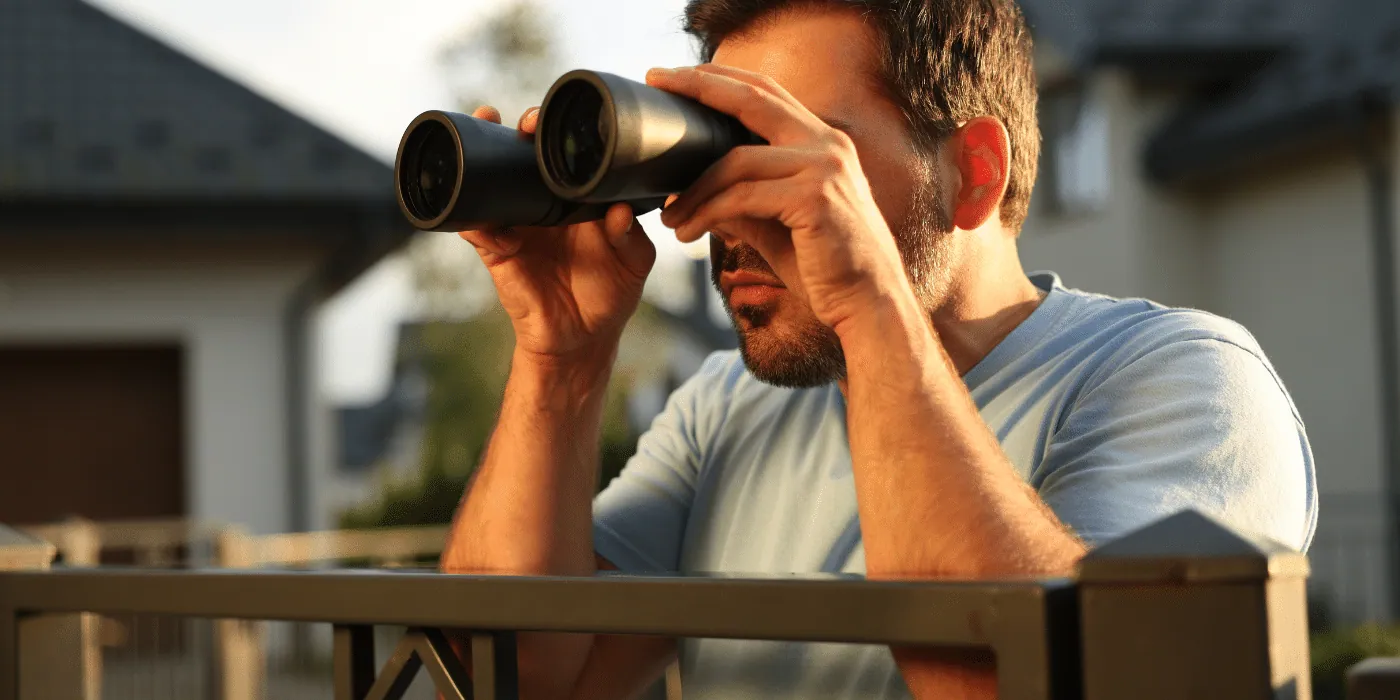
In this case, however, the employer opted for a particularly far-reaching measure: The employee was observed outside her workplace, and her behavior was documented.
The court took a critical view of this approach. The decisive factor was not that the employer wanted to ask questions or prevent abuse. Rather, the decisive factor was that the chosen method constituted too great an intrusion into the employee’s private life.
Reporting sick does not mean that a person loses their privacy.
Being sick doesn't automatically mean being grounded
Many people associate a sick leave note with a fixed idea: If you're sick, you have to stay home. But it's not that simple.
In general, a person who is unable to work may still do things that do not jeopardize their recovery. A short walk, a trip to the store, or other everyday activities may be perfectly normal, depending on the illness.
This is exactly where misunderstandings often arise. Just because someone is seen while they are sick does not automatically mean they are healthy or able to work.
A person can be sick and still leave the house. Being sick isn't like being in prison.
For employers, this means that not every instance of behavior outside the home constitutes evidence of fraudulent use of a sick leave notice.
Privacy doesn't end at the workplace
The case from Spain highlights an issue that is becoming increasingly important due to modern technology: the possibilities for surveillance are constantly expanding.
Cameras, smartphones, social media, and professional investigative services make it easier to gather information about people. At the same time, the risk of crossing boundaries is growing.
An employment contract does not mean that employees must completely give up their privacy.
Of course, companies have the right to protect their interests. They must be able to ensure that work processes run smoothly and that abuse is not simply tolerated. But there must be limits to this control.
Those who constantly monitor their employees may end up creating a bigger problem: a corporate culture in which mistrust takes precedence over cooperation.
What Companies Should Learn from This Case
The most important takeaway for employers is this: Suspicion alone does not justify every action.
Before companies resort to drastic measures, they should consider whether there are less intrusive alternatives. A clarifying discussion, improved documentation, or other internal measures can often be more effective than surveillance.
After all, such a step can have more than just legal consequences. It can also permanently damage the relationship between the employer and employees.
Employees should also understand the implications of this decision: Being sick does not protect you from consequences if you are actually deceiving your employer. Anyone who merely pretends to be unable to work also risks facing problems.
The crucial question is always: Where does legitimate oversight end—and where does disproportionate surveillance begin?
The cost of mistrust may be higher than expected
The Spanish case highlights a trend that many companies underestimate: Just because a technical option exists doesn't automatically mean it should be used wisely.
Companies must be protected against abuse—but that protection must not result in every sick employee automatically coming under suspicion.
Anyone who can only manage their workforce through supervision may have a leadership problem. Trust is not a luxury, but a business necessity.
Of course, no one should take advantage of a sick leave notice. But an employer’s first instinct shouldn’t be to hire a private investigator. Good companies aren’t built by constantly making people prove they’re honest. They’re built where performance is expected—but respect remains a given.
Are you unsure about your rights when it comes to sick leave? Get advice from our experts now and protect yourself from unlawful surveillance!
to the lawyerAt a fixed price of 169 EURO (gross)