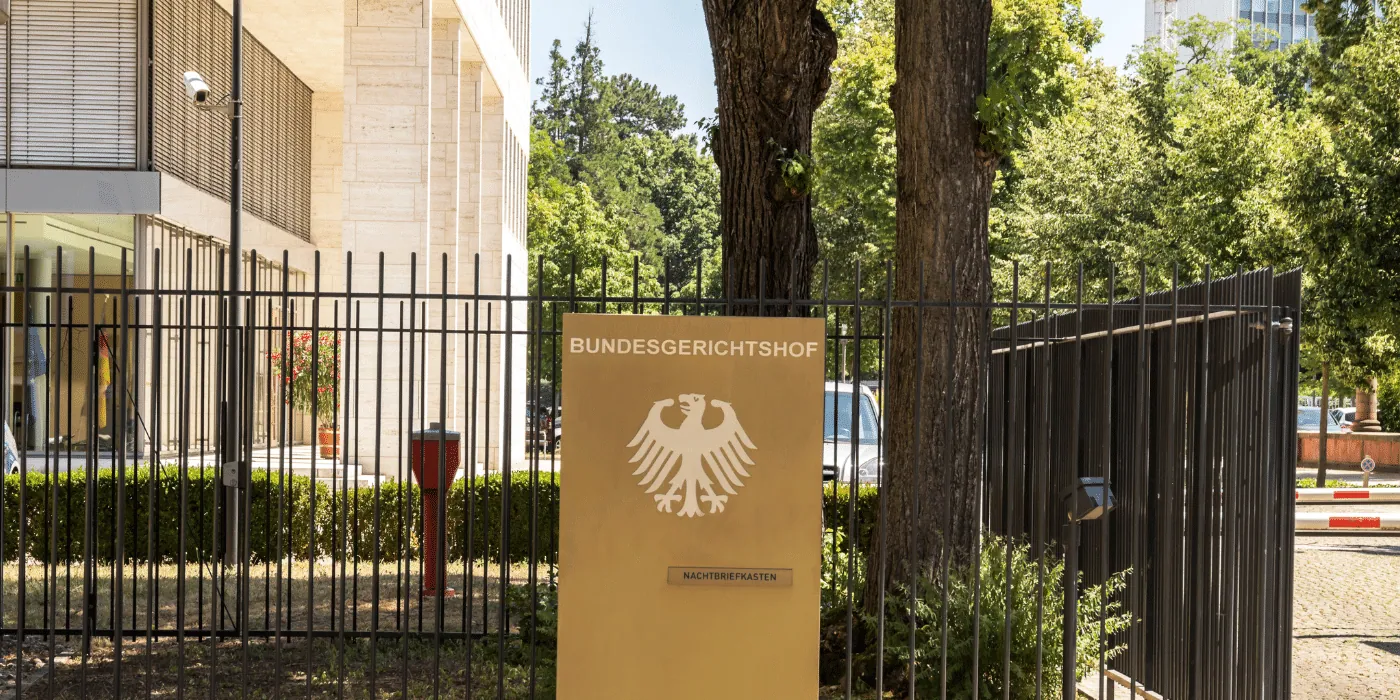
Image: gerd-harder/Shutterstock.com
A single mistake on the job can be costly. Very costly. Wirtschaftswoche reports on a case from the Siegburg area that is likely to give even experienced employees pause: A sales manager at an energy utility made a wrong decision, apparently kept it under wraps for far too long—and thereby caused damages of more than three million euros. In the end, the big question in court was: Does an employee actually have to foot the bill for something like this out of their own pocket?
The answer is: yes, but not without limits.
An experienced man—and then that one fateful mistake
The employee was no novice. He had been working for the company for more than 20 years, serving business customers. That is precisely why his mistake was so serious. He signed an electricity supply contract without hedging it immediately, as required. It was precisely this hedging that the company had put in place to ensure that a business transaction did not turn into a risky gamble with energy prices.
At first, this may not have seemed like a major issue. But then came early 2022. With Russia’s invasion of Ukraine, electricity prices skyrocketed. What had previously seemed manageable suddenly turned into a disaster. The company had to buy electricity at a significantly higher price than it had sold it for. As a result, the loss grew to more than three million euros.
The problem wasn't just the mistake
Besonders unangenehm wurde die Sache wohl deshalb, weil der Vertriebsleiter seinen Fehler nicht früh offenlegte. Stattdessen soll er zunächst gehofft haben, dass sich der Markt wieder beruhigt und das Problem von allein verschwindet. Doch genau das passierte nicht.
When the board asked whether the transaction had been properly secured, the man apparently stated that everything was in order. According to the findings of the proceedings, this was not the case. A wrong decision thus turned into a matter of trust. And that is precisely when things became truly dangerous for him. The company terminated his employment without notice. His supervisor also lost his job, as he is said to have initially covered up the incident.
Why 3.16 million ended up becoming 250,000 euros
In court, the company sought 3.16 million euros in damages—a sum that is almost unimaginable for the average employee. The man earned around 100,000 euros a year, plus bonuses and a company car. In the first instance, his conduct was judged very harshly; the court cited massive breaches of duty and a breach of trust.
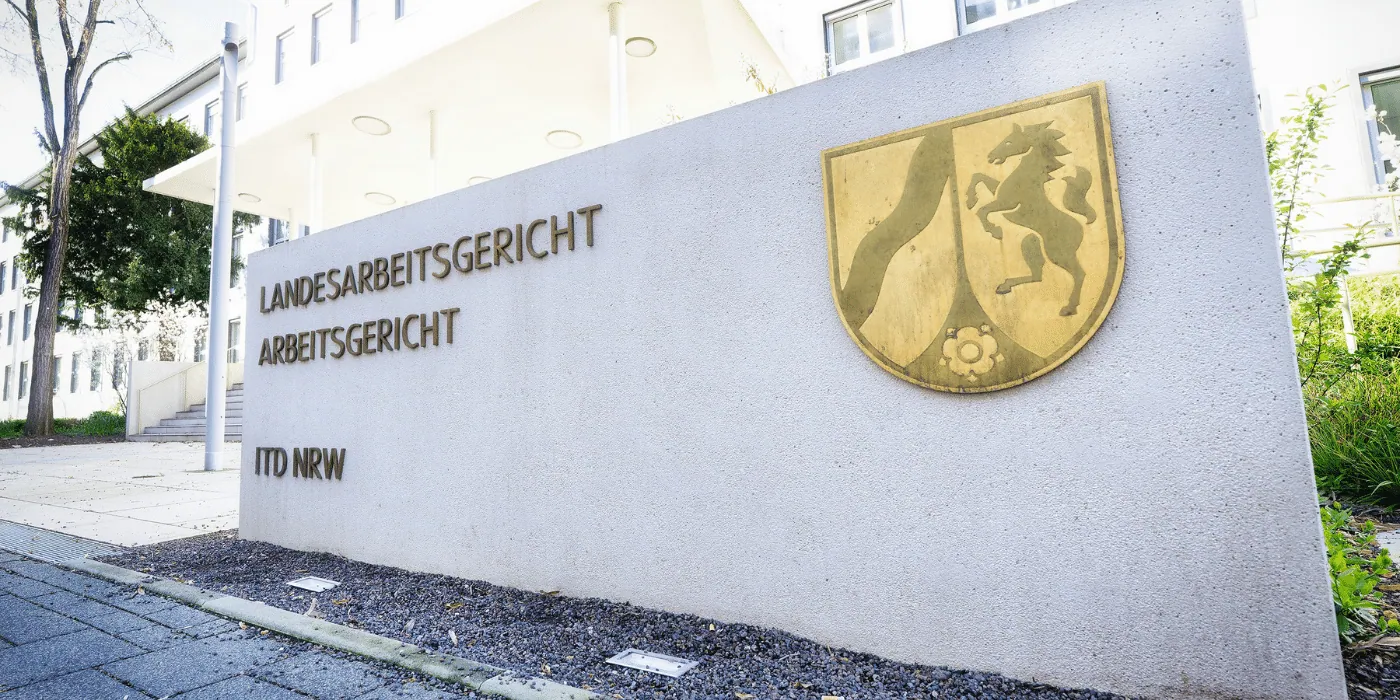
The outcome was different on appeal. The Cologne Regional Labor Court drew a line. While it still found that serious misconduct had occurred, the man ultimately had to pay “only” around 250,000 euros—roughly two full years’ salary, including other compensation components. The reasoning behind this is simple: even in cases of gross negligence, liability must not automatically lead to financial ruin.
Why this ruling should be of interest to many employees
Der Fall zeigt, dass Arbeitnehmer nicht automatisch geschützt sind, wenn sie ihrem Arbeitgeber einen großen Schaden zufügen. Wer Regeln missachtet und Probleme dann auch noch verschleiert, riskiert nicht nur die Kündigung, sondern auch eine persönliche Zahlungspflicht. Gleichzeitig macht das Urteil klar, dass Gerichte nicht jede astronomische Forderung ungeprüft durchwinken.
And that is precisely the crux of the matter: Of course, responsibility must have consequences. But when ordinary employees are suddenly faced with financial sums resulting from business risks that could ruin their entire lives, something is wrong with the system. Those who place millions in liability on shoulders that are neither compensated nor protected for it should not be surprised when such cases arise. Employees must act responsibly—but companies must also handle responsibility fairly.
Source: wiwo.de
Do you have questions about liability for workplace injuries? Contact us today for legal advice and protect yourself from financial risks!
to the lawyerAt a fixed price of 169 EURO (gross)